12, Mar 2025
Oxidative stress and antioxidant foods: how diet can combat physical aging
https://www.atrety.com/the-ultimate-guide-to-holistic-nutrition-and-peak-physical-performance/
Aging is a necessary step in life, and oxidative stress in the body is quietly accelerating the aging process. However, daily diet hides a “secret weapon” against aging. Next, let’s explore the relationship between oxidative stress and diet, and see how to use the power of diet to delay aging.
Oxidative stress: the ‘invisible driving force’ behind aging
Oxidative stress refers to the imbalance between the production and accumulation of reactive oxygen species (ROS) in cells and tissues and the body’s detoxification ability. When free radicals are excessively generated or the antioxidant defense system is unable to clear them in a timely manner, oxidative stress occurs.
Free radical activity is extremely high, and under normal circumstances, the body’s antioxidant system can maintain its balance. However, aging, environmental pollution, unhealthy lifestyle habits (such as smoking, alcohol abuse, staying up late), and unhealthy diets can lead to the production of large amounts of free radicals, disrupting the balance. Excessive free radicals attack DNA, proteins, and lipids within cells, leading to cell damage, dysfunction, and even death. Long term oxidative stress is regarded as an important inducement for aging, cardiovascular diseases, diabetes, neurodegenerative diseases, cancer and other diseases.
Antioxidant foods: the body’s’ anti-aging guardians’
Faced with the hazards of oxidative stress, the antioxidant foods provided by nature can lend us a helping hand. They can resist free radical attacks and reduce physical damage.
Colorful fruits and vegetables: the main force of antioxidant
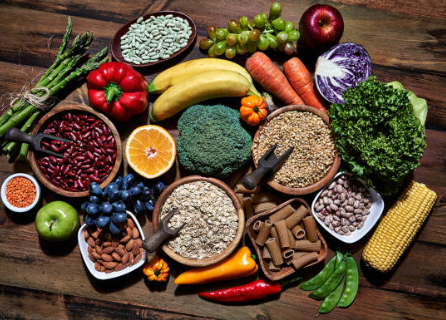
Colorful fruits and vegetables are rich in antioxidants. Strawberries contain a large amount of vitamin C and anthocyanins. The former can eliminate free radicals inside and outside cells, while the latter has strong antioxidant and anti-inflammatory properties. Blueberries are rich in vitamin C, vitamin E, flavonoids, and anthocyanins, with outstanding antioxidant capacity. Regular consumption can improve cognition and reduce the risk of cardiovascular disease. Spinach contains beta carotene, vitamins C, E, etc. Beta carotene can be converted into vitamin A, which has antioxidant properties. Broccoli’s sulforaphane can activate the body’s antioxidant defense system and enhance cellular antioxidant capacity.
Nut seeds: a perfect combination of healthy fats and antioxidants
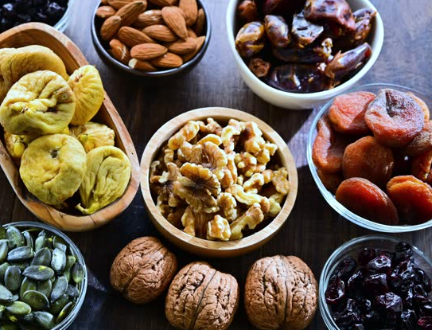
Nuts and seeds are rich in healthy fats, vitamin E, and antioxidants such as polyphenols. Taking walnuts as an example, their unsaturated fatty acids (such as omega-3 fatty acids) are beneficial for cardiovascular health and can also reduce inflammation. Vitamin E, as a fat soluble antioxidant, can protect cell membranes from free radical attacks. Almonds not only contain vitamin E, but also flavonoids and other antioxidant components, which synergistically exert antioxidant effects.
Beans and soy products: plant protein sources rich in antioxidants

Beans and bean products (such as tofu, soybean milk, black beans, red beans) are high quality vegetable protein sources, and are also rich in polyphenol antioxidants such as isoflavones. Isoflavones can regulate hormone levels and eliminate free radicals. The anthocyanins and flavonoids in black beans make them outstanding in antioxidant performance. Eating black beans can reduce the levels of blood oxidative stress markers and prevent chronic diseases.
Fish: The antioxidant properties of Omega-3 fatty acids
Deep sea fish rich in Omega-3 fatty acids, such as salmon, tuna, and cod, have antioxidant and anti-inflammatory effects. Omega-3 fatty acids can regulate cell membrane fluidity and stability, reduce free radical damage to cell membranes, inhibit the production of inflammatory mediators, alleviate chronic inflammation, and are beneficial for improving skin, reducing the risk of cardiovascular disease, and protecting brain health.
Tea and coffee: beverages containing antioxidant components
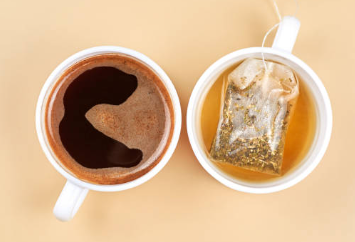
Tea and coffee contain antioxidants. Green tea is rich in tea polyphenols (especially catechins), which can eliminate free radicals, inhibit oxidase activity, reduce the risk of chronic diseases, and delay skin aging. Coffee contains antioxidants such as chlorogenic acid and caffeic acid, but excessive consumption may affect sleep and lead to calcium loss, so it should be consumed in moderation.
Creating an anti-aging diet plan: Nourishing the intestines and combating aging
After understanding antioxidant foods, one can develop an anti-aging diet plan from the following aspects:
Diversified diet, balanced nutrition
Ensure daily intake of a variety of foods, including various fruits and vegetables, nut seeds, legumes and bean products, high-quality fish, and whole grains, to obtain different antioxidants and nutrients. For example, breakfast oatmeal Congee with blueberries, nuts and green tea; Lunch vegetable salad with grilled salmon and brown rice; Prepare tofu, broccoli, and other seasonal vegetables for dinner, paired with an appropriate amount of beans.
Control food intake and avoid overeating
Eat 70-80% full every meal to prevent overeating. Excessive calorie intake can increase metabolic burden, leading to oxidative stress and inflammation. Use smaller plates and utensils to control food intake.
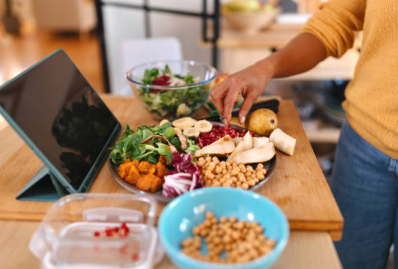
Reasonably match food to exert antioxidant synergistic effects
Combining different antioxidant foods can enhance the effect. When eating fruits rich in vitamin C, pairing them with nuts rich in vitamin E can have a synergistic effect. When cooking fish, pair it with vegetables rich in vitamin C to enhance its nutritional value and antioxidant effects.
Develop good eating habits and have regular meals
Maintain regular meal times, eat regularly and in moderation, stabilize the body’s biological clock, and promote the balance of gut microbiota. The gut microbiota affects digestion, absorption, immune system, and metabolic function. Regular diet can help it play a role, enhance body antioxidant and overall health levels, and avoid bad habits such as skipping breakfast, late dinner, or eating late night snacks.
Oxidative stress accelerates physical aging, and diet is a powerful weapon against it. Choosing foods rich in antioxidants, combining them reasonably, and developing good eating habits can provide nutrition for the body, enhance the antioxidant defense system, and keep the body young and energetic. From now on, treat every meal with care and write an anti-aging chapter with diet.
https://www.atrety.com/the-ultimate-guide-to-holistic-nutrition-and-peak-physical-performance/
- 0
- By angelsagra
- March 12, 2025 11:07 AM