
12, Mar 2025
Control calorie intake and move towards a healthy lifestyle
https://www.atrety.com/the-ultimate-guide-to-fitness-nutrition-science-based-fueling-and-recovery/
It is crucial to understand the secrets of calories and learn to effectively control their intake in the pursuit of health and ideal weight. Calories have a profound impact on metabolism, energy expenditure, and weight loss goals. Today, we will delve into how to integrate calorie control principles into daily diet.
1、 Clever substitution to reduce calorie intake
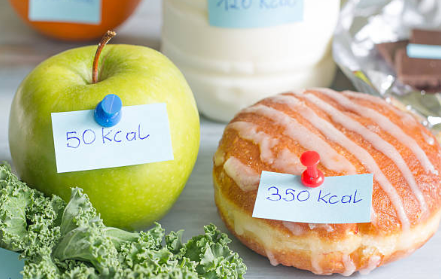
Reducing calorie intake does not mean abandoning delicious food, but achieving your goal through clever food substitution. When examining daily diet, it can be found that many high calorie foods have healthier low calorie alternatives:
1. Beverage replacement: Soft drinks and fruit juice often contain a lot of sugar and high calories. Soda water is refreshing and thirst quenching, with almost no calories, while coconut water is rich in electrolytes and has relatively low calories, making it an ideal substitute for soft drinks and fruit juice.
2. Snack transformation: Pre packaged snacks such as potato chips and cookies experience a surge in calories after processing. Saltless popcorn, fresh fruits, original nuts, edamame, roasted chickpeas and other snacks are not only low in calories, but also rich in dietary fiber, vitamins and minerals, making them a better choice.
3. Dairy product adjustment: Full fat cheese has a high fat content and can be replaced with low-fat cheese, such as white soft cheese or whey cheese, which can not only enjoy the deliciousness of cheese but also reduce calorie intake.
4. Cooking method change: Frying vegetables will absorb a large amount of oil and double the calories. Choosing steamed vegetables can preserve the nutritional content of the vegetables to the greatest extent possible and have extremely low calorie content.
5. Sandwich improvement: Excessive meat slices and cheese on sandwiches can cause calorie overload. It is recommended to add more vegetables such as tomatoes and onions to increase the taste while reducing calories.
6. Sauce selection: Yogurt oil is high in calories, low-fat Greek yogurt can be used as a substitute, with a rich taste and low calories. Tomato sauce, mustard, and mayonnaise can also be replaced with vanilla spices such as chili powder, beef tripe, or avocado to add flavor while reducing calories.
7. Main food replacement: White rice has a high glycemic index, while cauliflower rice is a high-quality choice with low-carbon water and low calories. White sugar can be replaced with honey or agave, which satisfies the sweetness requirement while consuming relatively fewer calories.
8. Soup selection: Soup containing a large amount of meat often has higher fat and calories, while low salt vegetable soup is mainly composed of vegetables, with low calories and rich nutrients.
In addition, try to minimize the frequency of snacking. Although eating snacks in moderation can suppress appetite and prevent overeating at the next meal, more often than not, it can lead to excessive calorie intake, resulting in weight gain. If snacks are necessary between meals, prioritize high fiber fruits and vegetables as they can create a strong sense of satiety without adding too many calories.
2、 Increase protein intake to aid in healthy weight loss
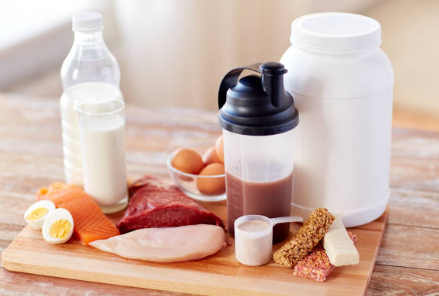
Research shows that consuming sufficient protein is of great significance during weight loss. It helps maintain lean muscle mass, avoiding losing too much muscle mass, and also keeps you feeling full for a long time. It is recommended to obtain 10% -35% of calories from protein. Every meal and snack should contain protein rich foods, and try to achieve a reasonable combination of animal protein and plant protein foods, such as:
1. Lean meat selection: Lean meat such as chicken and turkey have high protein content and low fat content, making them high-quality ingredients for supplementing protein.
2. Fish and seafood: Various types of fish and seafood are rich in high-quality protein and also contain beneficial unsaturated fatty acids for the body.
3. Nut seeds: Almonds, cashews and other nuts, as well as various seeds, are a good source of plant protein and rich in healthy fats.
4. Leguminous ingredients: Black beans, red beans and other legumes and soy products are rich in protein and affordable, making them an indispensable source of protein in daily diet.
5. Low fat dairy products: Low fat dairy products such as milk and yogurt can provide protein and are rich in nutrients such as calcium.
However, if you have liver or kidney disease, it is important to communicate with healthcare professionals about protein intake, as higher levels of protein intake may not be suitable for these patients.
3、 Eat more fiber to prolong satiety
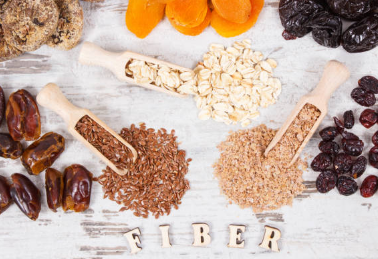
Fiber comes from plant-based foods and cannot be fully digested by the human body. But it can slow down the digestion speed of food in the intestines, keeping you feeling full for a long time, and promote intestinal peristalsis to maintain intestinal regularity. There are many common high fiber foods:
1. Bean ingredients: Various beans, beans, etc., rich in dietary fiber and protein.
2. Fruit selection: Pomegranate, raspberry, kiwi and other fruits with high fiber content, delicious and healthy.
3. Vegetable types: Vegetables such as Korean thistle, sweet potato, broccoli, etc. are not only nutritious, but also have a considerable fiber content.
4. Whole grain foods: unsweetened whole grains such as wheat, brown rice, oat bran, etc. are high-quality sources of dietary fiber.
5. Nut seeds: Pumpkin seeds, almonds and other nuts and seeds contain a certain amount of fiber.
It is recommended to consume 14 calories per day, along with 1 gram of fiber. Eating more high fiber foods can effectively reduce the need for extra snacks and help control calorie intake.
Controlling calorie intake is a task that requires long-term persistence. Through a balanced diet and moderate exercise, we can better control our health and weight, and move towards a better life.
https://www.atrety.com/the-ultimate-guide-to-fitness-nutrition-science-based-fueling-and-recovery/
- 0
- By angelsagra
- March 12, 2025 11:24 AM