12, Mar 2025
The nutritional value and consumption techniques of fruits: unlocking new healthy ways to eat fruits
https://www.atrety.com/the-ultimate-guide-to-holistic-nutrition-and-peak-physical-performance/
On the path of pursuing a healthy lifestyle, fruits can be regarded as our powerful allies. They are colorful and have different tastes, not only adding rich flavors to the dining table, but also containing many beneficial nutrients for the body. But have you really eaten the right fruit? Mastering the correct eating techniques is the key to maximizing the nutritional value of fruits and adding points to health.
1、A Comprehensive Review of the Nutritional Value of Fruits
Vitamin Treasure House
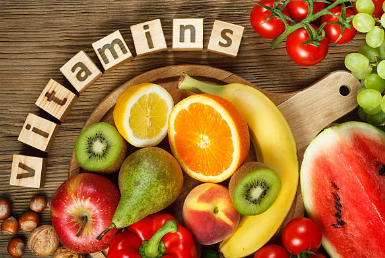
Fruits are rich in various vitamins and are key to maintaining normal physiological functions in the human body. Oranges, lemons, and other citrus fruits are high-quality sources of vitamin C. Vitamin C has a powerful antioxidant effect, which can enhance immunity, help the body resist diseases such as colds, and promote the synthesis of collagen, keeping the skin elastic and smooth. Mango, papaya, and other fruits are rich in vitamin A, which is crucial for eye health and can prevent night blindness and maintain vision. In addition, fruits such as bananas and strawberries are rich in B vitamins, which participate in the body’s metabolism and contribute to the normal functioning of the nervous system.
Mineral supply station

Fruits are also important providers of minerals. Potassium is highly abundant in fruits such as bananas and avocados. Potassium helps maintain normal heart function, regulate blood pressure, promote sodium excretion, and reduce edema. Calcium is present in figs and oranges, although its content is not as high as dairy products, it also helps to supplement daily calcium needs and is beneficial for bone health. Iron is relatively high in fruits such as red dates and cherries, which can prevent iron deficiency anemia and make the complexion more rosy.
Dietary fiber aids digestion
Dietary fiber is widely present in fruits, such as apples and pears, where the skin and flesh are rich in dietary fiber. Dietary fiber can promote intestinal peristalsis, increase fecal volume, prevent constipation, and reduce the risk of intestinal diseases. At the same time, it can also increase satiety and help control appetite, making it a natural “weight loss assistant” for people who want to control their weight.
2、 Unveiling Eating Techniques
Choose fresh fruits
Fresh fruits have higher nutritional value. When selecting, pay attention to observing the appearance of the fruit. Fruits with bright colors, smooth skin, and no obvious scars or spots are usually fresher. For example, fresh strawberries have a rosy color, full fruit, and fresh green stems and leaves; Fresh grapes have tightly packed grains and a thin layer of white frost on the surface. Try to choose seasonal fruits that grow and mature in natural environments, have a better taste, are more nutritious, and are relatively affordable.

Proper cleaning of fruits
Cleaning fruits is crucial and related to health. For fruits with skin such as apples and pears, first rinse the surface dust with clean water, then soak in salt water for 5-10 minutes to remove pesticide residues and have a sterilizing effect. Finally, rinse thoroughly with clean water. Grapes and other fruits in clusters can be cut into small clusters and gently stirred in water mixed with flour. The adsorption properties of flour effectively remove dirt from the surface of grapes, and then rinsed with water. Strawberries, bayberries, and other fruits with uneven surfaces can be cleaned and killed by soaking them in light salt water for 15-20 minutes to eliminate any potential insect eggs.

The timing of consumption is particular
It is not advisable to eat fruits immediately before meals, as the organic acids in fruits can stimulate gastric acid secretion and affect digestion, especially for people with weaker gastrointestinal function. It is also not advisable to eat fruits immediately after meals. It takes some time for food to be digested in the stomach, and eating fruits at this time can easily cause digestive disorders, leading to discomfort such as bloating and abdominal pain. The best time to consume is between two meals, such as 10am or 3-4pm, which can not only replenish energy, alleviate hunger, but also allow the nutrients in fruits to be better absorbed. In addition, eating easily digestible fruits such as bananas, apples, etc. after waking up in the morning can promote intestinal peristalsis and help with bowel movements.
Diversified ways of consumption
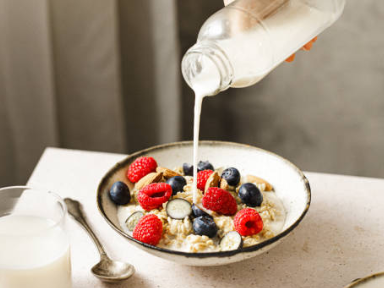
There are various ways to eat fruits besides eating them directly. Make a salad with fruits, choose a variety of different colored fruits to match, such as strawberries, blueberries, bananas, kiwis, etc., and add some nuts and yogurt. Not only is it nutritious, but the taste is also more diverse. Juicing fruits is also a common way of eating, but it is important to drink them freshly to avoid nutrient loss, and it is not recommended to filter out the fruit residue as it contains abundant dietary fiber. You can also roast fruits to eat, such as roasted apples or bananas. The heated fruits have a unique flavor and are easier to digest, making them suitable for people with poor digestion.
3、 Precautions for consumption by special populations
Patients with diabetes
Diabetes patients are not completely unable to eat fruit, but we should strictly control the intake and choose the right kind. Low sugar fruits such as grapefruit, strawberry, kiwi, etc. should be chosen, as their glycemic index is relatively low. When consuming, pay attention to monitoring blood sugar, calculate the calories of fruits in the daily total calories, and consume between meals to avoid excessive fluctuations in blood sugar.
Gastrointestinal sensitive population
People with gastrointestinal sensitivity should avoid consuming fruits that are too cold or too hard. Fruits that have just been taken out of the refrigerator should be left for a period of time until their temperature approaches room temperature before consumption to avoid stimulating the digestive system. At the same time, some fruits with high dietary fiber content and hard texture, such as immature persimmons, hawthorns, etc., may increase the burden on the gastrointestinal tract, and should be eaten as little as possible or avoided. You can choose some mild and easily digestible fruits, such as bananas, apple puree, etc.
Fruits are precious gifts given to us by nature. Understanding their nutritional value, mastering the correct eating techniques, and choosing and consuming fruits reasonably according to our own situation are the key to better serving our health. Let’s start eating fruits scientifically from now on and enjoy the dual gifts of deliciousness and health.
https://www.atrety.com/the-ultimate-guide-to-holistic-nutrition-and-peak-physical-performance/
- 0
- By angelsagra
- March 12, 2025 11:11 AM