

12, Mar 2025
Disrupting cognition: High fat diet can actually help with heart disease related diagnosis
https://www.atrety.com/the-complete-guide-to-the-ketogenic-diet-science-long-term-impact-and-therapeutic-potential/
In the long process of nutritional cognition, the role of fat has undergone dramatic changes. Once upon a time, in the field of nutrition, fat was considered the “culprit”. Looking back to before the beginning of the 21st century, when flipping through any diet manual or healthy eating guide, what often catches the eye is the recommendation to consume low-fat foods, even if these low-fat foods contain a lot of sugar. But fortunately, with the deepening exploration of modern science, the truth has gradually emerged: the real threat to health is actually sugar, and the normal functioning of the human body cannot be separated from fat. Nowadays, fat has become an essential component of a healthy and balanced diet.

A brand new study has added a remarkable milestone to the “road to proper naming” of fat. Research has shown that the role that fat can play goes far beyond aiding weight loss or promoting hormone secretion, and it can even make a name for itself in the highly challenging field of disease diagnosis. A group of researchers from the University of Illinois at Chicago found through research that having patients follow a high-fat diet pattern for 72 consecutive hours can significantly improve the chances of accurate diagnosis of sarcoidosis.
Sarcoidosis, as an inflammatory disease, has unique onset characteristics and often invades multiple organs of the human body simultaneously, with lymph nodes and lungs being particularly common. Among African Americans, the incidence rate of sarcoidosis is relatively high. More seriously, it may cause pulmonary fibrosis, or even lead to sarcoidosis related heart failure, thus endangering life. However, the diagnosis of sarcoidosis has long been a major challenge in the medical field. In the diagnostic process, doctors usually need to use various technical means, such as CT scans and PET scans. But these scan results often have issues of ambiguity and difficulty in accurately interpreting. Until today, doctors still face many challenges in accurately diagnosing sarcoidosis.
The reason behind this is closely related to the radioactive tracer used for scanning. This tracer, called fluorodeoxyglucose (FDG), has a chemical structure that is very similar to glucose, the main energy source of the human body. When sarcoidosis affects heart cells, these cells absorb FDG abnormally quickly, making the scanning process difficult to obtain accurate and clear images. But surprisingly, the intervention of high-fat diet has brought a turning point to this diagnostic problem.
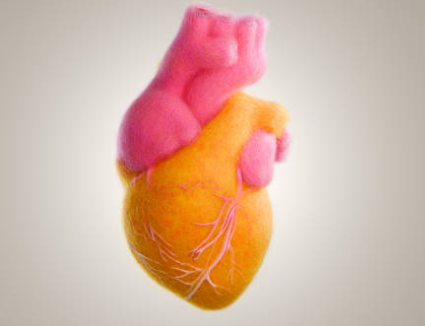
A high-fat diet can provide sufficient fat as an energy source for heart cells. Researchers conducted an experiment on 207 patients, requiring them to consume a high-fat diet 72 hours prior to scanning. The experimental results were surprising: 96% of cases obtained accurate diagnostic results. In sharp contrast, the group of patients who consumed a high-fat diet only 58 hours before the scan had a diagnostic accuracy rate of only 24%.
This discovery may seem simple – by supplying more fat and reducing sugar intake to the heart over a longer period of time, astonishing results can be achieved. By making only this small adjustment to the pre scan dietary routine, the accuracy of imaging and disease diagnosis has been significantly improved. It can be foreseen that countless lives will be saved in the future, all thanks to the unique role played by high-fat diets. It has given us a new understanding of the value of fat in the field of health and opened up a new path for medical diagnosis.
https://www.atrety.com/the-complete-guide-to-the-ketogenic-diet-science-long-term-impact-and-therapeutic-potential/
- 0
- By angelsagra
- March 12, 2025 11:17 AM