

12, Mar 2025
In depth analysis: How nutrients in food affect bodily functions
https://www.atrety.com/the-ultimate-guide-to-holistic-nutrition-and-peak-physical-performance/
Hey, fitness enthusiasts and health conscious friends! Today, we will delve into a wonderful world and understand how the nutrients in food can magic our bodily functions. This is like unlocking the secrets of the complex biological machine we call the body.
The powerful power of carbohydrates
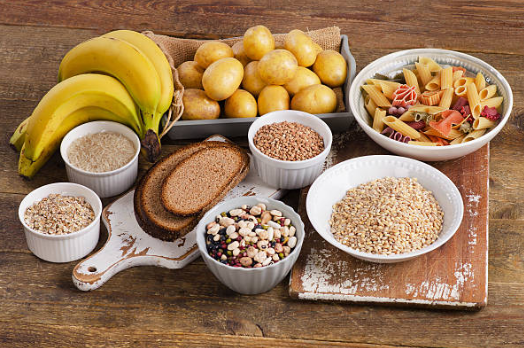
Carbohydrates are often misunderstood, but in reality they are the main source of energy for the body. Imagine them as the fuel that keeps our internal engines running smoothly. Each gram of carbohydrates can provide approximately 4 kilocalories of energy. Once we consume carbohydrates, they are broken down into glucose and enter our bloodstream, forming what we call blood sugar. This glucose is like the body’s energy currency, particularly important for our brain and muscles.
For example, when you go to the gym for high-intensity exercise, your muscles rely on glycogen (the form of glucose stored in the muscles) to complete those repetitive movements. If you skip a carbohydrate rich meal before exercising, you are likely to feel tired and unable to perform at your best. Carbohydrates also play a crucial role in conserving protein. When we have enough carbohydrates, the body does not need to break down proteins to obtain energy, allowing proteins to focus on more important tasks such as building and repairing tissues.
Protein: the cornerstone of life

When it comes to building and maintaining our bodies, proteins can be considered superstars. It is the main component of our cells, tissues, and organs. From the muscles that help us move, to the bones that support our body structure, and even protect our skin, protein is everywhere. In fact, growth, tissue repair, and renewal all rely on sufficient protein supply.
Taking children and adolescents as examples. Their bodies are constantly growing, and protein is crucial for the development of new cells and tissues. Similarly, athletes experience immense pressure on their muscles during training and need to consume sufficient protein to repair tiny tears in their muscles. Proteins also play a crucial role in regulating bodily functions. Many hormones, enzymes, and antibodies are composed of proteins. Insulin, a protein based hormone, is responsible for regulating our blood sugar levels. Enzymes such as pepsin in the stomach help break down proteins in food, while antibodies are our body’s defense system against invaders.
Fat: More than just energy storage

Fat has long been misunderstood. That’s right, it’s an important energy reserve for our body, providing up to 9 kilocalories of energy per gram of fat. When we consume more energy than we expend, our body stores the excess energy as fat. But the role of fat is far more than just a storage unit.
It’s like a protective pad for our internal organs. Subcutaneous fat, also known as the fat beneath the skin, not only keeps our body warm and helps maintain a constant body temperature, but also protects our organs from external impacts. Fat is also an important component of our cell membrane, playing a role in cell signaling and the transport of substances in and out of cells. Some fats can even be converted into hormones that regulate various bodily functions. For example, cholesterol is a type of fat that can be converted into vitamin D and adrenal cortex hormones.
The miraculous effects of vitamins

Vitamins are like little helpers that maintain the normal functioning of our body’s metabolic processes. They act as coenzymes or cofactors in many metabolic reactions. For example, B vitamins are involved in the metabolism of carbohydrates, proteins, and fats. Vitamin C is crucial for the synthesis of collagen, which is the cornerstone of our skin, blood vessels, and bones.
Some vitamins also have antioxidant properties. For example, vitamin E and vitamin C are like bodyguards inside the body, capable of neutralizing free radicals that can damage our cells. By reducing oxidative stress, they help prevent premature aging and a range of chronic diseases, including heart disease and cancer. Vitamin A is crucial for maintaining good vision and epithelial tissue health, while vitamin D plays a key role in calcium absorption, which is essential for strong bones.
Minerals: Hidden Heroes
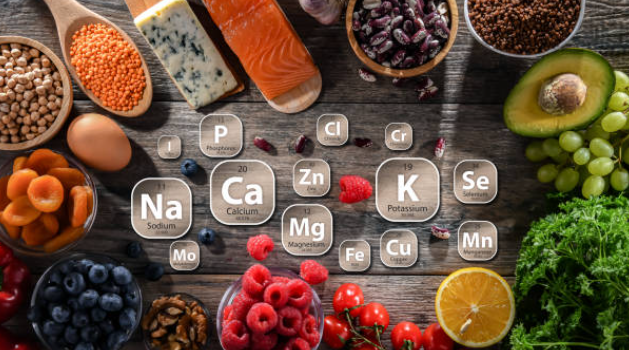
Minerals are the unsung heroes in our bodies. Calcium and phosphorus are the main components of our bones and teeth, giving them strength and structure. Magnesium also contributes to bone health and participates in many enzymatic reactions in the body.
Minerals such as sodium, potassium, and chlorine are responsible for maintaining the body’s fluid balance and acid-base balance. They ensure that our cells are in the appropriate environment to function properly. Iron is a key component of hemoglobin, which is the protein that transports oxygen in our red blood cells. Zinc is involved in many enzymatic reactions, especially those related to protein synthesis and cell division. Iodine is crucial for the synthesis of thyroid hormones, which regulate our metabolism, growth, and development.
The Miracle of Water

Water is often overlooked, but it is the most essential nutrient for our body. It is a universal solvent that can dissolve nutrients such as glucose, amino acids, and vitamins, and transport them throughout the body. It is the main component of our blood and lymphatic system, responsible for delivering oxygen and nutrients to our cells and clearing waste.
Water also plays a crucial role in regulating our body temperature. When we feel too hot, we sweat and the evaporation of moisture on our skin cools us down. This is like a natural air conditioning system. In addition, water also participates in many biochemical reactions in our body, such as hydrolysis reactions during digestion.
In short, the nutritional components in food are like a well coordinated team, each playing a unique and important role in maintaining optimal bodily function. By understanding the role of these nutrients, we can make wiser choices in our diet, ensuring that our bodies receive the fuel and building materials they need to thrive. So, let us give the body the respect it deserves and nourish it through a balanced diet rich in all these essential nutrients.
https://www.atrety.com/the-ultimate-guide-to-holistic-nutrition-and-peak-physical-performance/
- 0
- By angelsagra
- March 12, 2025 10:55 AM