12, Mar 2025
The wonderful relationship between gut microbiota and diet: how to nourish the intestines through diet
https://www.atrety.com/the-ultimate-guide-to-holistic-nutrition-and-peak-physical-performance/
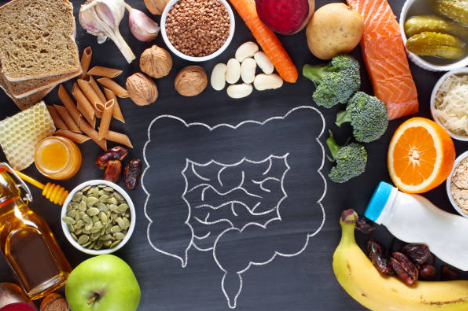
In our bodies, there is a often overlooked but crucial ‘small world’ – the gut microbiota. They are composed of trillions of bacteria, fungi, and other microorganisms, forming a complex and diverse ecosystem within the gut. The gut microbiota is closely related to our health, and diet is a key factor affecting the balance of this ecosystem, with a wonderful and close connection between the two.
Gut microbiota: the invisible guardian of health
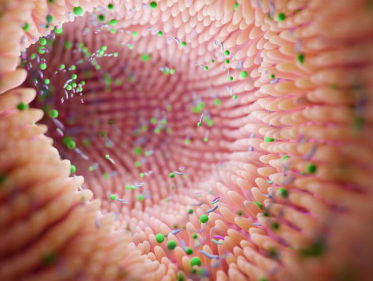
The gut microbiota is not fixed from birth, and from the moment we are born, they gradually begin to establish themselves in the gut. During the process of growth, factors such as environment and lifestyle constantly influence their composition. These tiny organisms play a huge role in the intestine, not only helping us digest food and break down nutrients into more easily absorbable forms, but also synthesizing some essential vitamins for the human body, such as vitamin K and some B vitamins.
More importantly, the gut microbiota plays a crucial role in the development and regulation of the immune system. They are like a natural barrier, resisting the invasion of harmful pathogens, maintaining the integrity of the intestinal mucosa, and also interacting with the immune system to help identify and respond to potential threats, thereby enhancing our overall immunity. In addition, recent studies have found that there is a “gut brain axis” connection between gut microbiota and the brain, and their state can even affect our emotional and cognitive functions.
Diet: the ‘nutritional commander’ of gut microbiota
The food we consume in our daily lives is like fuel and building materials for the gut microbiota, and different dietary patterns shape vastly different gut microbiota structures.
Dietary fiber: the “source of happiness” for the microbiota
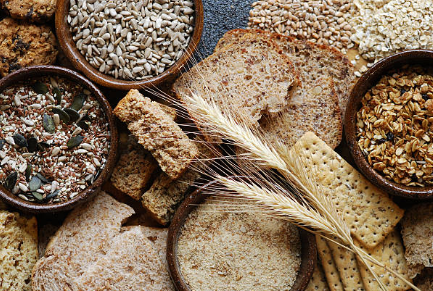
Dietary fiber is undoubtedly the favorite of the gut microbiota. Whole grains, beans, vegetables, and fruits are rich in dietary fiber, which cannot be directly digested and absorbed by the human body, but they are high-quality foods for beneficial bacteria in the intestine. For example, bifidobacteria and lactobacilli can ferment dietary fiber to produce short chain fatty acids such as butyric acid, acetic acid, and propionic acid. These short chain fatty acids not only provide energy for intestinal cells and maintain the health of intestinal mucosa, but also have anti-inflammatory effects, which help prevent various chronic diseases
Probiotics: Precise feeding of beneficial bacteria
Probiotics are a special type of dietary fiber that can selectively stimulate the growth and activity of beneficial bacteria in the gut, without being utilized by harmful bacteria. Common prebiotics include inulin, oligofructose, etc., which are widely present in foods such as onions, garlic, bananas, etc. By consuming foods rich in prebiotics, beneficial bacteria can be precisely provided with nutrients, allowing them to better “reproduce” in the gut and improve the balance of gut microbiota.
Probiotics: Directly supplementing beneficial power
In addition to providing beneficial bacteria through diet, we can also directly supplement probiotics. Probiotics are beneficial active microorganisms for the human body, commonly including Bifidobacterium and Lactobacillus acidophilus. They can be found in fermented foods such as yogurt, kimchi, fermented soy products, etc. Moderate consumption of these probiotic rich foods can increase the number of beneficial bacteria in the intestines, help improve digestive function, alleviate constipation and diarrhea, and other intestinal problems.
Reduce processed foods and sugar: avoid “feeding” harmful bacteria
Contrary to beneficial bacteria, processed foods and high sugar foods are often the “favorites” of harmful bacteria in the gut. These foods usually contain a large amount of artificial additives, preservatives, and high sugar components, which not only have low nutritional value, but also disrupt the balance of gut microbiota and promote the growth of harmful bacteria. Too many harmful bacteria will produce toxins and cause intestinal inflammation, which may increase health risks such as obesity, diabetes and cardiovascular disease in the long run. Therefore, reducing the intake of processed foods and sugar is an important measure to maintain the health of the gut microbiota.
Dietary strategies for nourishing the intestines
After understanding the relationship between gut microbiota and diet, we can nourish the intestines through the following dietary strategies:
Diversified diet
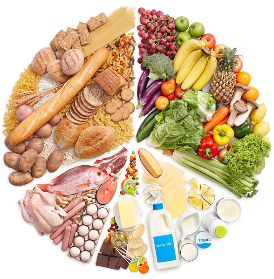
Try to ensure daily intake of a variety of different foods, including vegetables, fruits, whole grains, beans, nuts, and healthy sources of protein. A diverse diet can provide rich and diverse nutrients for the gut microbiota, helping to maintain its diversity.
Reasonably match food
Reasonably mix dietary fiber, prebiotics, probiotics, and other nutrients in each meal. For example, a bowl of oatmeal Congee (rich in dietary fiber and prebiotics) and a cup of yogurt (rich in probiotics) can be paired with breakfast; Eat more vegetables, beans, and moderate amounts of meat for lunch and dinner.
Control food intake
Avoid overeating and maintain an appropriate weight. Overeating can burden the intestines and affect the normal metabolism of the microbiota. Following the principle of “eating less and more” can help maintain normal intestinal function.
Pay attention to dietary habits
Maintain a regular eating schedule and have regular meals every day. The gut microbiota also has its own biological clock, and a regular diet can help them maintain a stable metabolic rhythm.
The relationship between gut microbiota and diet is like a carefully choreographed dance, influencing and interacting with each other. By making reasonable dietary choices, we can nourish the gut microbiota, maintain intestinal health, and lay a solid foundation for overall health. Let’s start from now on, pay attention to our diet, take care of our intestines, and embark on a new chapter of healthy living
https://www.atrety.com/the-ultimate-guide-to-holistic-nutrition-and-peak-physical-performance/
- 0
- By angelsagra
- March 12, 2025 11:04 AM