
12, Mar 2025
How to ensure sufficient nutrition in the fitness diet of vegetarians?
https://www.atrety.com/the-ultimate-guide-to-fitness-nutrition-science-based-fueling-and-recovery/
In the current global fitness craze, more and more fitness enthusiasts in Europe and America are choosing a vegetarian lifestyle. But for vegetarian fitness enthusiasts who pursue muscle growth, strength enhancement, and body shaping, how to ensure comprehensive and sufficient nutrition in their diet has become a key issue. Today, let’s delve into the fitness and dietary secrets of vegetarians, helping you achieve your fitness goals on the path of vegetarianism.
1、 Protein: The cornerstone of vegetarian fitness

Protein is crucial for muscle repair and growth, and for vegetarian fitness enthusiasts, finding high-quality protein sources is the top priority.
Beans and soy products: Beans are an important source of protein for vegetarians. Every 100 grams of black beans contain about 20 grams of protein, while chickpeas also have a considerable protein content, reaching around 19 grams. Bean products such as tofu and soybean milk are also excellent. The protein content of 100g tofu is about 8g.Like fitness blogger Emily in Los Angeles, she adheres to a vegetarian fitness diet mainly consisting of beans and soy products, and successfully increased her muscle mass by 5 kilograms through reasonable combination.
Nuts and seeds: Almonds, cashews, chia seeds, pumpkin seeds, etc. Are not only rich in healthy fats, but their protein content should not be underestimated. For example, every 100 grams of almonds contain about 21 grams of protein, and chia seeds contain up to 16 grams. They can be eaten as snacks at any time, and can also be added to salad and oatmeal Congee to increase protein intake.
Plant protein powder: Soy protein powder, pea protein powder and other plant protein powders can quickly supplement protein. For vegetarian fitness enthusiasts with high training intensity, mixing a cup of protein powder after training can effectively promote muscle recovery and growth.
2、 Carbohydrates: The Source of Energy
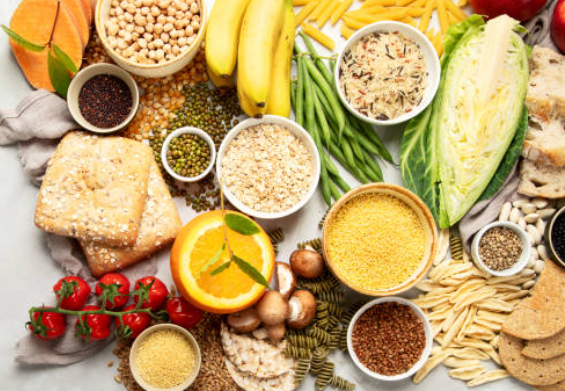
Carbohydrates are the main source of energy for physical activity, and vegetarians should choose complex carbohydrates rich in dietary fiber.
Whole grains: Whole grains such as whole wheat bread, oats, brown rice, quinoa, etc. Are rich in dietary fiber, vitamins, and minerals. A cup of cooked quinoa contains about 22 grams of carbohydrates and provides about 5 grams of protein. David, a fitness coach in New York, often has an oatmeal Congee for breakfast, with nuts and fruits, which can ensure energy supply in the morning and maintain a sense of fullness.
Potatoes: Sweet potatoes, purple potatoes, potatoes and other potatoes are high-quality sources of carbohydrates. Every 100 grams of sweet potatoes contains about 20 grams of carbohydrates and is rich in vitamin A and dietary fiber. They can be used as staple food, roasted sweet potatoes, steamed potatoes are both simple and delicious choices.
3、 Healthy fats: essential nutrients that cannot be ignored
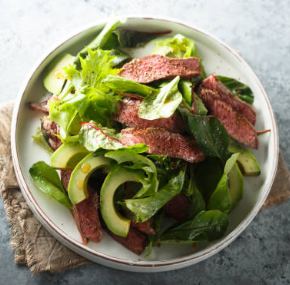
Healthy fats are crucial for the production of hormones and the normal functioning of the body.
Beef avocado: Rich in monounsaturated fatty acids, a medium-sized avocado contains about 20 grams of healthy fat. It can be applied to whole wheat bread or added to salads to enhance the taste and nutrition of the food.
Olive oil: an ideal choice for cooking, rich in monounsaturated fatty acids that help lower cholesterol levels. When making vegetarian pasta, cooking with olive oil can make the food healthier.
Omega-3 fatty acids: Although Omega-3 fatty acids are relatively scarce in vegetarian diets, they can be supplemented by consuming chia seeds, flaxseed, and other sources. The Omega-3 fatty acids in these seeds can be converted into DHA and EPA in the body, which are beneficial for heart health and brain function.
4、 Vitamins and minerals: key to maintaining bodily functions
Vegetarians need to pay special attention to the intake of vitamins and minerals.
Vitamin B12: It is almost exclusively found in animal based foods and is easily lacking in vegetarians. The demand can be met by eating fortified foods, such as fortified soybean milk, fortified cereals, or vitamin B12 supplements.
Iron: Iron in vegetarian food is non heme iron with a lower absorption rate. You can eat more iron rich foods, such as spinach, beans, raisins, etc., and pair them with foods rich in vitamin C, such as oranges, strawberries, etc., to promote iron absorption.
Calcium: Milk is a good source of calcium, but for vegetarians, you can choose bean products (such as tofu, soybean milk), almonds, broccoli, etc. In addition, plant-based milk that enhances calcium is also a good choice.
5、 Example of dietary plan
In order to provide a more intuitive understanding of the fitness diet combinations for vegetarians, the following is a simple daily meal plan example:
| Breakfast | Oatmeal Congee (boiled with oats, water or plant milk), with Kia seeds, almonds and half a banana, and a cup of calcium fortified soybean milk. |
| Morning snack | A small handful of nuts (such as cashews, almonds). |
| Lunch | Quinoa rice paired with grilled vegetables (such as broccoli, carrots, pumpkin) and tofu. |
| Afternoon snack | One apple and a cup of sugar free yogurt (plant-based yogurt is optional). |
| Dinner | Whole wheat spaghetti, paired with tomato vegetable meat sauce (made from beans and various vegetables), sprinkled with some nutritious yeast to enhance the flavor. |
Vegetarians can fully meet their nutritional needs during the fitness process through reasonable dietary combinations. The key is to understand the nutritional content of various foods, diversify your diet, and ensure adequate intake of protein, carbohydrates, healthy fats, vitamins, and minerals. Remember, everyone’s physical condition and fitness goals are different, so it is best to consult a professional nutritionist or fitness coach when developing a dietary plan for personalized advice. Now, boldly embark on your vegetarian fitness journey, allowing health and deliciousness to coexist!
https://www.atrety.com/the-ultimate-guide-to-fitness-nutrition-science-based-fueling-and-recovery/
- 0
- By angelsagra
- March 12, 2025 10:19 AM