
12, Mar 2025
Unlock Body Code Explore the Three Major Nutrients
https://www.atrety.com/the-ultimate-guide-to-essential-nutrients-and-healthy-fats-decoding-the-role-of-olive-oil/
On the path of pursuing a healthy life, there are three “behind the scenes heroes” who silently guards our bodies. They are protein, carbohydrates, and fats, which are commonly referred to as the three major nutrients. Don’t underestimate them, they are key players in sustaining life activities, each with unique abilities.
Protein: the cornerstone of building the building block of life:
Proteins play a crucial role in the growth and development, tissue repair, and functional maintenance of the body, and can be regarded as the cornerstone of building the building of life. From the growth and strengthening of muscles and bones, to the shiny black hair and strong nails, the presence of protein is everywhere, like a tireless and hardworking craftsman who tirelessly builds and repairs this magnificent “building” of the body day and night. Each gram of protein can provide approximately 4 kilocalories of energy to our body
. When we engage in high-intensity activities such as long-distance running and fitness, our body’s demand for protein will significantly increase. At this point, timely supplementation of protein is like sending supplies to tired construction workers, which can help us quickly repair damaged muscle tissue, restore vitality, and enable us to engage in life and work in a better state.

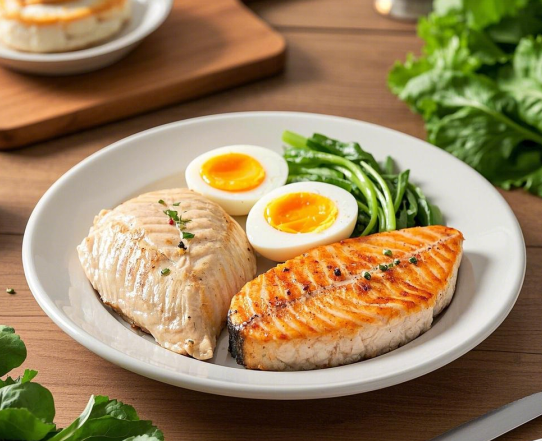
There are many types of protein rich foods in daily life. Taking chicken breast as an example, it not only has a low fat content, but also a high protein content of about 20%, making it a high-quality choice for fitness enthusiasts to supplement protein; Eggs are also known as “fully nutritious foods”, with a protein composition that is extremely similar to the composition pattern of the human body, and a high digestion and absorption rate, making them the most ideal source of high-quality protein; for vegetarians, legumes are an important way to obtain protein, such as soybeans, which have a protein content of about 36% -40% and can fully meet their daily nutritional needs.
Carbohydrates: the energy core that drives the body’s functioning
Carbohydrates, as the primary source of energy for our body, are the energy core that drives the body’s functioning. The normal functioning of the brain, the daily activities of the body, and even every thought and action we make cannot be separated from the energy support it provides. After complete oxidation in the body, each gram of carbohydrates can produce approximately 4 kilocalories of energy. When we consume carbohydrates, they are gradually broken down into glucose through a series of complex digestive processes, and then enter the bloodstream to continuously supply energy for the normal operation of various organs and tissues in the body.
Imagine that when we run quickly on the track or engage in long, high-intensity mental labor, our body’s demand for energy will sharply increase, just like how cars need more fuel when driving at high speeds. At this point, carbohydrates will quickly “burn” and release a large amount of energy, providing us with sustained motivation to maintain a good state and complete various tasks. The common sources of carbohydrates are very diverse, and grains are an important component of them. For example, rice, as a staple food for billions of people worldwide, has a carbohydrate content of about 75%; Flour processed from wheat is the main raw material for making various types of noodles, and is also rich in carbohydrates, bringing us a rich and diverse culinary experience. Fruits also contain abundant carbohydrates. Taking bananas as an example, they are not only rich in carbohydrates but also in potassium, which not only provides us with energy but also effectively maintains the body’s electrolyte balance, ensuring normal metabolism.
Fat: the body’s energy storage shield and physiological regulation assistant
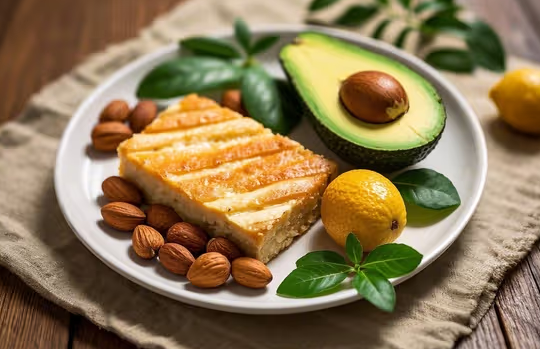
Fat is often misunderstood by people as the “enemy” of health, but in reality, it is an extremely important energy storage shield for the body and a powerful assistant for physiological regulation. Each gram of fat can provide about 9 kilocalories of energy, which is more than twice the energy supply of carbohydrates and proteins of the same mass. When our food intake is insufficient, or when we engage in endurance exercises such as marathons, long-distance cycling, etc., our body will automatically activate “reserve energy” to break down fat into fatty acids and glycerol, releasing energy to support the continuous operation of the body.
Not only that, fat is like a soft and elastic “protective pad” that tightly wraps around our internal organs such as the heart, liver, kidneys, etc. In daily life, when we encounter unexpected collisions or impacts, fat can effectively buffer external forces, reduce damage to organs from external impacts, and protect them from damage. In addition, fat is deeply involved in a series of important physiological processes such as hormone synthesis in the body, playing an indispensable role in maintaining normal physiological functions.
Of course, there are also “good” and “bad” types of fat. Like olive oil, which is rich in monounsaturated fatty acids, this healthy fat helps to lower cholesterol levels in the blood, reduce the risk of cardiovascular disease, and is very beneficial for cardiovascular health; The Omega-3 fatty acids rich in fish oil play an important role in brain development and vision protection, especially suitable for pregnant women, children, and middle-aged and elderly people to supplement; The common trans fats in fried foods and baked goods are “hidden dangers” for health. They will increase the content of low-density lipoprotein cholesterol (bad cholesterol) in the blood, and reduce the content of high-density lipoprotein cholesterol (good cholesterol), thus increasing the health risks of cardiovascular diseases, diabetes and so on. We should try to reduce the intake of such fats.
The three major nutrients of protein, carbohydrates, and fat work together in our bodies to maintain our health and well-being. Understanding their functions and food sources, and learning to balance our diet in a reasonable way, is like injecting high-quality “fuel” and “lubricant” into the delicate machine of our body, which can keep our body in the best condition and better enjoy the beauty of life. From now on, let us pay more attention to these three nutrients, taking care of our health with care, and contribute to a better life!
https://www.atrety.com/the-ultimate-guide-to-essential-nutrients-and-healthy-fats-decoding-the-role-of-olive-oil/
- 0
- By angelsagra
- March 12, 2025 09:52 AM