

3, Jul 2025
Three types of fats that you must know and understand
https://www.atrety.com/the-ultimate-guide-to-essential-nutrients-and-healthy-fats-decoding-the-role-of-olive-oil/
1. Saturated fat
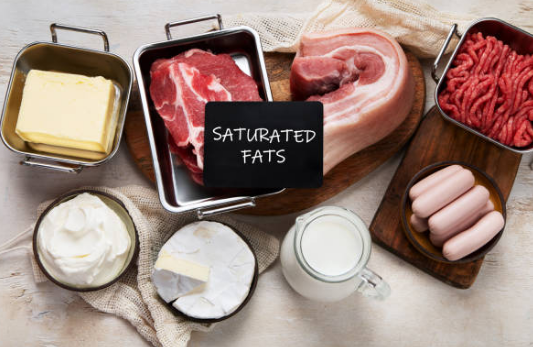
Saturated fats are fatty acids that do not contain double bonds. These fats from animals and plants can provide the body with energy sources and play an important role in cardiovascular health.
The main function of saturated fat is that it is the preferred supplementary fuel for the heart; Saturated fat can reduce the absorption rate of food; Saturated fat also plays an important role in immune system function. Lack of certain types of saturated fat can inhibit the ability of white blood cells to recognize and destroy foreign invaders such as bacteria, fungi, and viruses; Saturated fat also has a protective effect on the liver from the effects of these toxins.
In addition, the composition of the brain, absorption of calcium by bones, and prevention of dental caries also require saturated fat to play a role.
The harm of excessive saturated fat intake is that high saturated fatty acid intake is the main reason for the increase of blood cholesterol, triacylglycerol and LDL-C, which secondary causes arterial stenosis, atherosclerosis, and increases the risk of coronary heart disease.
2. Unsaturated fat
The definition of unsaturated fat: Unsaturated fat refers to a fat or fatty acid chain that contains at least one double bond. Unsaturated fatty acids mainly include monounsaturated fatty acids and polyunsaturated fatty acids, both of which have great benefits for human health.
3. Trans fats
Trans fat is a product of unsaturated fat hydrogenation, and according to current research, trans fat is not beneficial to the human body, only harmful. Excessive accumulation of trans fats in the body can easily affect fertility, lead to obesity, decreased memory, and increase the risk of cardiovascular disease.
Therefore, the difference between these three is that saturated fat mainly has a protective effect on the human body, while unsaturated fat mainly has a dredging effect on the human body. However, although both have many benefits, excessive intake is not recommended, otherwise they will cause certain harm to the human body. Trans fats, on the other hand, are harmful to the body and must be controlled while minimizing intake.
Trans fats are mostly formed when vegetable oils are processed into artificial butter. Foods such as fried potatoes, fried chicken, doughnuts, cookies, pastries, and cookies contain a large amount of trans fats. Moreover, when cooking oil is heated too high or repeatedly heated, trans fats will also escape. In daily life, we can largely reduce or avoid eating fried potatoes, fried chicken and other deep fried foods, as well as eat less ice cream, cookies and other desserts. However, it is almost impossible to completely avoid the intake of trans fats in cooking oil. To stay away from trans fats in cooking oil, choosing good cooking oil is a key factor.
Healthy Fat Selection Guide

1. Saturated fat
Foods suitable for moderate intake:
Animal sources: grass fed beef, free range egg yolks, full fat dairy products (cheese/yogurt)
Plant sources: virgin coconut oil, organic palm oil (sustainable certified brands are required)
Food to be controlled:
Processed red meat (bacon, sausages)
High temperature refined coconut oil (may produce trans fats)
2. Unsaturated fat
High quality sources of monounsaturated fatty acids (MUFA):
Extra virgin olive oil (cold mix), avocado, nuts (almonds/cashews)
High quality sources of polyunsaturated fatty acids (PUFAs):
Omega-3: Wild salmon, flaxseed, chia seeds
Omega-6: Sunflower seed oil (low-temperature cooking), walnut oil
Processing forms to avoid:
Repeatedly fried vegetable oil (harmful substances produced by high temperature damage to structure)
Hydrogenated artificial nut sauce (containing hidden trans fats)
3. Trans fats
Clearly identify the foods that need to be reduced:
Industrial processing: vegetable fat coffee companion, cocoa butter chocolate substitute, pastry made from shortening
Fried food: commercial fried chicken, French fries, deep-fried dough sticks (especially repeatedly fried with hydrogenated oil)
Pre packaged snacks: microwave popcorn, cream filled cookies, puff pastry
Suggestions for choosing edible oil:
Priority use: Cold pressed olive oil (cold mix), avocado oil (stir fried at high temperature)
Avoid high-temperature frying: soybean oil, corn oil (high temperature easily oxidizes to form trans fats)
Daily practical skills
Avoid eating out: restaurants are required not to use margarine for cooking and to avoid foods labeled as “partially hydrogenated oil”.
Tag recognition: If the ingredient list contains “hydrogenated vegetable oil”, “refined vegetable oil”, or “cocoa butter substitute”, then it contains trans fats.
Home cooking: Use steaming/baking instead of deep frying, and do not reuse leftover oil more than twice.
https://www.atrety.com/the-ultimate-guide-to-essential-nutrients-and-healthy-fats-decoding-the-role-of-olive-oil/
- 0
- By angelsagra
- July 3, 2025 06:31 AM