
12, Mar 2025
Glycemic index (GI) and healthy diet: dietary secrets you cannot ignore
https://www.atrety.com/the-ultimate-guide-to-holistic-nutrition-and-peak-physical-performance/
Hey, friends who pursue health! We have discussed how the nutrients in food affect bodily functions. Now, let’s delve into another key aspect of a healthy diet – the glycemic index (GI). In making wise food choices, this is a game changing factor that is key to maintaining stable blood sugar levels and overall health.
What is the glycemic index?
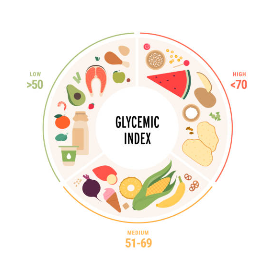
The glycemic index is a ranking system that displays the rate at which different carbohydrate rich foods raise blood sugar levels. It compares the increase in blood sugar after consuming specific foods with the increase in blood sugar after consuming pure glucose (with a GI value of 100). Foods with high GI values (70 and above) are quickly digested and absorbed, leading to a sharp increase in blood sugar levels. Think of white bread, sugary grains, and some processed snacks. On the other hand, foods with low GI values (55 and below) have a slower digestion rate, which can cause blood sugar to gradually and steadily rise. For example, whole grains such as quinoa and oats, as well as most fruits and vegetables.
Why is GI crucial for health?

glycemic control
Maintaining a stable blood sugar level is like keeping the body’s engine running smoothly. When you consume high glycemic index foods, your blood sugar levels quickly soar and then rapidly decline. This roller coaster like blood sugar fluctuation can make you feel tired, irritable, and crave more sugary or starchy foods. Over time, these blood sugar fluctuations will burden the pancreas, which is the organ that produces insulin to regulate blood sugar. This may increase the risk of type 2 diabetes. In contrast, low GI foods will release glucose more continuously into the bloodstream, keeping your energy levels stable throughout the day.
Weight management
GI also plays an important role in weight management. High GI foods can trigger a surge in insulin, a hormone that helps cells absorb glucose from the bloodstream. But when insulin levels rise too high, especially in cases of excessive glucose in the body, it can promote fat storage. However, low GI foods can help maintain a more balanced insulin level. They can help you maintain a sense of fullness for a longer period of time and reduce the likelihood of overeating. For example, a bowl of steel cut oats (a low GI food) in the morning can keep you full until lunchtime, while sugary breakfast grains may make you hungry again a few hours later.
heart health
A diet rich in high GI foods is associated with an increased risk of heart disease. Rapid blood sugar spikes and subsequent insulin surges can lead to inflammation, vascular damage, and elevated levels of triglycerides (a type of fat in the blood). By choosing low GI foods, you can help reduce this risk. Whole grains, legumes, and non starchy vegetables, these low GI foods are also rich in fiber, vitamins, and minerals that are beneficial for heart health.
Incorporate GI into your diet
Read food labels
Firstly, it is necessary to be familiar with food labels. Look for products rich in fiber and whole grains, as these typically have lower GI values. Avoid foods that have added sugar, refined grains, and processed ingredients, as they often have higher GI values. For example, choose whole wheat pasta instead of white pasta because the former contains more fiber and has a lower GI value.
Paired with food
You don’t have to completely avoid high GI foods. On the contrary, you can try pairing them with low GI foods. For example, pairing a slice of white bread (high GI) with a large salad (low GI) and some lean meat protein like grilled chicken. The fiber in salad and protein in chicken can slow down the digestion of bread and reduce its impact on blood sugar.
Plan your diet
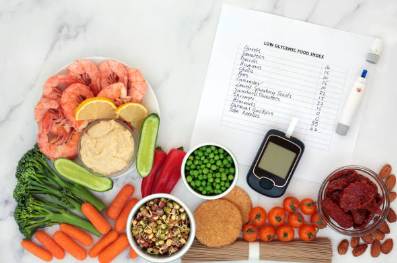
Plan your meals and snacks in advance to ensure a balanced intake of low GI and high GI foods. A good breakfast can include a Greek yogurt (low GI), some berries (low GI), and a small handful of nuts (low GI). Lunch can be a bowl of brown rice (low GI value) paired with stir fried vegetables (low GI value) and a grilled fish. Afternoon snacks, one apple (low GI) paired with a tablespoon of natural peanut butter (low GI) can keep you energized.
In short, understanding the glycemic index is a powerful tool for pursuing a healthy diet. By making wise choices based on GI values, you can control blood sugar levels, manage weight, and improve overall health. So, let’s start using this knowledge, nourish our bodies with the right food, and live the healthiest life possible!
https://www.atrety.com/the-ultimate-guide-to-holistic-nutrition-and-peak-physical-performance/
- 0
- By angelsagra
- March 12, 2025 11:01 AM